turns-00026.parquet:47417
1e1d78e45c4c4c59e1de071fdegenerate_repetitionAbsentFinal dense release
Select one behavior. Every returned turn has one binary label: Present or Absent. Source: final dense boolean release.
1e1d78e45c4c4c59e1de071fZeguir是什么语言,对应的是英文单词Figure
"Zeguir" 不是任何一种已知语言中的单词,也不对应英文单词 "Figure"。可能是拼写错误或误传。如果您有关于该词的更多上下文或信息,可以提供以帮助我更好地理解和回答您的问题。
5fa8c459dbb42da9c90dfa06翻译一下这句话,要求准确且学术:A mental model outlining the order in which we code the GPT architecture
这句话可以翻译为:

“一种心理模型,用于概述我们编写GPT架构的顺序。”
c864749ead126251ef8f9245感觉a mental model翻译的不太好,mental用在这里是什么意思
在这个上下文中,“mental model”通常指的是一种思维上的或认知上的框架或样式,用于理解、组织或处理信息。它是人们在头脑中构建的某种抽象概念,用来帮助理解复杂的系统或过程。

因此,在翻译“a mental model”时,可以使用“思维模型”或“认知模型”,以更准确地传达这种内在的理解或思考方式。

所以,更好的翻译可能是:

“一种思维模型,用于概述我们编写GPT架构的顺序。”
37c5ea9512948f7b63ec385b整理并总结下面的文章,返回50字摘要<blockquote><p>本文通过生动的案例介绍了用户体系的构建方法,包括用户画像、标签和分层等概念,并探讨了用户研究的重要性和方法。无论你是市场分析师还是产品经理,这篇文章都将提供你优化产品和服务所需的用户洞察策略。</p> </blockquote><p><img class="aligncenter" src="https://image.woshipm.com/2023/04/17/55b77c78-dcf5-11ed-a8f2-00163e0b5ff3.png" /></p> <h2>一、如何理解用户体系</h2> <blockquote><p>有这么一个问题:如果你朋友让你给他介绍女朋友,你会怎么做?<br /> 接下来我们一起看一下小明和他朋友的对话,看看和你的解决方案是否一样<br /> 朋友:“你能给我介绍一个女朋友吗?”<br /> 小明:“那你喜欢什么样的女孩子?”<br /> 朋友:“漂亮的!”<br /> 小明:“那具体长什么样的?”<br /> 朋友:“身高165CM、体重50KG、皮肤白皙的、头发黑黑的、眼睛是双眼皮……”<br /> 小明:“那可以,我有个朋友,介绍给你!”<br /> 朋友:“谢谢哈!”</p></blockquote> <p>我想大多数人的做法和小明一样,都是先了解小明的具体诉求,如身高、体重的具体信息,那么我们照着这具体的信息寻找,就会大概率找到朋友喜欢的女孩子。</p> <div class="js-star yyp--fancyPost"></div> <p>通过这个案列我们可以看到“一个漂亮的女孩子”其实就是一个<strong>抽象的画像</strong>,而“身高165CM、体重50KG、皮肤白皙的、头发黑黑的、眼睛是双眼皮”就是<strong>具象的用户标签</strong>,<strong>而通过这些标签我们就可以将不同的人进行分层,</strong>比如高的人群:身高165cm及以上;中等身高人群:155cm-165cm;身高低的人群:155cm以下的。</p> <p><strong>所以我们简单的得出一个定义就是用户体系是我们对用户的各种信息,进行归类、总结后形成的逻辑化呈现,是用画像、标签去构建分群的体系。而构建用户体系的前提条件是遇到有关用户的问题、能收集到用户的信息。</strong></p> <p><img class="aligncenter" height="330" src="https://image.woshipm.com/2024/08/05/ee0000ce-5317-11ef-b783-00163e0b5ff3.png" width="635" /></p> <p>看到这里我想大家已经对用户体系了一定的认知。接下来我将为大家进行可以详细的介绍。</p> <h2>二、用户体系的组成部分</h2> <h3>1. 用户画像</h3> <p><strong>用户画像是构成一个用户的虚拟体,可以帮助我们达成对用户的共识</strong></p> <p>正如我们在描述我们的用户画像时,我们通常会用场景来进行描述:他经常上课,同时自己一个人住在一个20平米的单间,经常穿着优衣库的衣服,经常拿着iPhone11,偶尔打王者和吃鸡,定位经常出现在互联网公司附近,经常在抖音上发布学习视频,并且常在12点以后睡觉。</p> <p>由此我们可以描述出这么一个画像:他可能是一个25岁左右,在互联网公司上班,月薪在15K,房租3K,每月余5K,对穿着要求不高,爱买优衣库,喜欢iphone,偶尔打王者荣耀或吃鸡,睡觉一般在12点以后,喜欢在抖音发布知识视频。</p> <p>这就是用户画像,不难发现,本质上我们是在尝试<strong>用抽象的语音描述一个具体的用户。</strong></p> <h3>2. 用户标签</h3> <p>用户标签是构成用户画像的核心元素,通过一个个具体的字段来描述用户,形成一个具象行为的用户,是将用户在平台内产生的行为数据,分析提炼后形成具有差异性特征的形容词。如:</p> <blockquote><p>性别:男<br /> 年龄:25岁<br /> 职业:产品经理<br /> 月薪:15K<br /> 住房:租房、单间<br /> 爱好:王者荣耀/吃鸡、<br /> 手机:ipone<br /> 习惯:熬夜<br /> …..</p></blockquote> <h3>3. 用户分层/分群</h3> <p><strong>用户分层/分群的就是根据用户的特征进行分层/分群。<br /> </strong>如下图所示,我们可以首次打开但没有登录注册的用户定义为新增用户;已经登录注册但没有下单对的用户定义为普通用户;对于已经下单但还没支付的用户定义为意向客户;对于初次购买的用户定义为付费用户;对于多次购买的用户可以定义为忠实用户。</p> <p>我们可以看到不同类型的用户其状态和需求不一样,因此其运营策略也不一样。如对于首次打开的用户我们要引导其注册和登录;对于已经注册和登录没有下单的用户,我们要去看用户是卡在那个环节导致用户不下单。</p> <p><img class="aligncenter" height="344" src="https://image.woshipm.com/2024/08/07/8a9b5288-546e-11ef-a2fa-00163e0b5ff3.png" width="468" /></p> <p><strong>本质上用户体系是进行用户分群,然后把每个群体独立成一个画像,并且每个群体怎么分的,把对应的标签打上。</strong></p> <h2>三、用户研究与洞察</h2> <p>用户研究是构建用户体系的第一步。而用户调研是获取用户需求、偏好、行为和反馈的重要手段,他可以帮助我们更好的理解用户,做出更明智的决策</p> <p>常见的用户调研方式有:用户访谈、调查问卷、可用性测试、AB测试。</p> <h3>1. 用户访谈</h3> <p>用户访谈通常包括焦点小组访谈和1V1面对面访谈两种形式。</p> <ul> <li>焦点小组访谈:通常是3到12个人组成一个组,引导他们按照设定的主题进行讨论,获得反馈.</li> <li>1V1面对面访谈:与用户进行1对1深入对话,获得更深层次的间接和反馈。</li> </ul> <p>用户访谈优势是能更深入的了解用户需求,但是同时也可能会存在受访者的偏见影响,同时成本和时间都较高,很难覆盖大面积用户。非飞上适合在产品处于创意阶段,未来发之前,可通过用户访谈来验证自己的想法,或着如在做很多B端系统时如OA系统,是通过业务访谈,可以快速的了解业务流程和规则。</p> <h3>2. 问卷调查</h3> <p>通过设计问卷收集定量数据,可以快速了解大量用户的一般态度和行为。<br /> 其优势在于成本较低,可以快速收集大量数据,有利于量化分析;缺点是可能存在非相应偏差,用户可能不诚实或随意回答,缺乏深度。<br /> 另外个人建议可以在针对一些特殊群体进行高效测试时,可以采用问卷调查。</p> <p>比如我们做了一款针对大学生的教育产品,就可以到一个大学,让大家在固定的时间里填写问卷。这样我们就可以快速地获得大量有用的信息。</p> <h3>3. 可用性测试</h3> <p>可用性测试是指邀请用户在受控环境中使用产品,<strong>通过观察用户行为,对其进行定性判断</strong>。例如当我们上线了一个产品中的一个核心板块,但我们确实对它没有太大的把握,我们就可以用可用性测试去深入去研究。</p> <p>在互联网公司中最常见的作法是,直接让一个团队以外的同事来使用自己的软件,然后我们在身边观察他在使用时的行为。在操作完成之后,再访问他的感受。</p> <p>如我们上线了返利系统,我们就会在旁边负责观看配置规则的用户是怎么配置的,从中去观察,用户在配置规则会遇到哪些问题,从而我们去优化解决问题</p> <h3>4. AB测试</h3> <p>AB测试是指对产品和服务的两个或多个版本进行测试,最后看哪个版本的效果好。</p> <p>一般来说AB测试<strong>要求我们有一定量的用户数</strong>,才能得到有参考价值的数据。比如我们有100万个用户,就可以随机选20万的用户进行AB测试,给10万用户上A版本,另外10万用户上B版本。</p> <p>不难发现,虽然AB测试效果显著,但它的要求是很高。首先你要有一定量的用户,其次,你的<strong>团队需要能支持两个版本运营或开发工作</strong></p> <div class="article--copyright"><p>本文由 @y先生 原创发布于人人都是产品经理。未经作者许可,禁止转载</p> <p>题图来自Unsplash,基于CC0协议</p> <p>该文观点仅代表作者本人,人人都是产品经理平台仅提供信息存储空间服务</p> </div>
本文介绍了用户体系的构建方法,包括用户画像、标签和分层,并讲解用户研究的重要性和调研方法,如访谈、问卷、可用性测试和AB测试等。
5a30b38c04add9f995b9885d将下面的文章整理成10条关于产品经理的建议:<blockquote><p>本文通过生动的案例介绍了用户体系的构建方法,包括用户画像、标签和分层等概念,并探讨了用户研究的重要性和方法。无论你是市场分析师还是产品经理,这篇文章都将提供你优化产品和服务所需的用户洞察策略。</p> </blockquote><p><img class="aligncenter" src="https://image.woshipm.com/2023/04/17/55b77c78-dcf5-11ed-a8f2-00163e0b5ff3.png" /></p> <h2>一、如何理解用户体系</h2> <blockquote><p>有这么一个问题:如果你朋友让你给他介绍女朋友,你会怎么做?<br /> 接下来我们一起看一下小明和他朋友的对话,看看和你的解决方案是否一样<br /> 朋友:“你能给我介绍一个女朋友吗?”<br /> 小明:“那你喜欢什么样的女孩子?”<br /> 朋友:“漂亮的!”<br /> 小明:“那具体长什么样的?”<br /> 朋友:“身高165CM、体重50KG、皮肤白皙的、头发黑黑的、眼睛是双眼皮……”<br /> 小明:“那可以,我有个朋友,介绍给你!”<br /> 朋友:“谢谢哈!”</p></blockquote> <p>我想大多数人的做法和小明一样,都是先了解小明的具体诉求,如身高、体重的具体信息,那么我们照着这具体的信息寻找,就会大概率找到朋友喜欢的女孩子。</p> <div class="js-star yyp--fancyPost"></div> <p>通过这个案列我们可以看到“一个漂亮的女孩子”其实就是一个<strong>抽象的画像</strong>,而“身高165CM、体重50KG、皮肤白皙的、头发黑黑的、眼睛是双眼皮”就是<strong>具象的用户标签</strong>,<strong>而通过这些标签我们就可以将不同的人进行分层,</strong>比如高的人群:身高165cm及以上;中等身高人群:155cm-165cm;身高低的人群:155cm以下的。</p> <p><strong>所以我们简单的得出一个定义就是用户体系是我们对用户的各种信息,进行归类、总结后形成的逻辑化呈现,是用画像、标签去构建分群的体系。而构建用户体系的前提条件是遇到有关用户的问题、能收集到用户的信息。</strong></p> <p><img class="aligncenter" height="330" src="https://image.woshipm.com/2024/08/05/ee0000ce-5317-11ef-b783-00163e0b5ff3.png" width="635" /></p> <p>看到这里我想大家已经对用户体系了一定的认知。接下来我将为大家进行可以详细的介绍。</p> <h2>二、用户体系的组成部分</h2> <h3>1. 用户画像</h3> <p><strong>用户画像是构成一个用户的虚拟体,可以帮助我们达成对用户的共识</strong></p> <p>正如我们在描述我们的用户画像时,我们通常会用场景来进行描述:他经常上课,同时自己一个人住在一个20平米的单间,经常穿着优衣库的衣服,经常拿着iPhone11,偶尔打王者和吃鸡,定位经常出现在互联网公司附近,经常在抖音上发布学习视频,并且常在12点以后睡觉。</p> <p>由此我们可以描述出这么一个画像:他可能是一个25岁左右,在互联网公司上班,月薪在15K,房租3K,每月余5K,对穿着要求不高,爱买优衣库,喜欢iphone,偶尔打王者荣耀或吃鸡,睡觉一般在12点以后,喜欢在抖音发布知识视频。</p> <p>这就是用户画像,不难发现,本质上我们是在尝试<strong>用抽象的语音描述一个具体的用户。</strong></p> <h3>2. 用户标签</h3> <p>用户标签是构成用户画像的核心元素,通过一个个具体的字段来描述用户,形成一个具象行为的用户,是将用户在平台内产生的行为数据,分析提炼后形成具有差异性特征的形容词。如:</p> <blockquote><p>性别:男<br /> 年龄:25岁<br /> 职业:产品经理<br /> 月薪:15K<br /> 住房:租房、单间<br /> 爱好:王者荣耀/吃鸡、<br /> 手机:ipone<br /> 习惯:熬夜<br /> …..</p></blockquote> <h3>3. 用户分层/分群</h3> <p><strong>用户分层/分群的就是根据用户的特征进行分层/分群。<br /> </strong>如下图所示,我们可以首次打开但没有登录注册的用户定义为新增用户;已经登录注册但没有下单对的用户定义为普通用户;对于已经下单但还没支付的用户定义为意向客户;对于初次购买的用户定义为付费用户;对于多次购买的用户可以定义为忠实用户。</p> <p>我们可以看到不同类型的用户其状态和需求不一样,因此其运营策略也不一样。如对于首次打开的用户我们要引导其注册和登录;对于已经注册和登录没有下单的用户,我们要去看用户是卡在那个环节导致用户不下单。</p> <p><img class="aligncenter" height="344" src="https://image.woshipm.com/2024/08/07/8a9b5288-546e-11ef-a2fa-00163e0b5ff3.png" width="468" /></p> <p><strong>本质上用户体系是进行用户分群,然后把每个群体独立成一个画像,并且每个群体怎么分的,把对应的标签打上。</strong></p> <h2>三、用户研究与洞察</h2> <p>用户研究是构建用户体系的第一步。而用户调研是获取用户需求、偏好、行为和反馈的重要手段,他可以帮助我们更好的理解用户,做出更明智的决策</p> <p>常见的用户调研方式有:用户访谈、调查问卷、可用性测试、AB测试。</p> <h3>1. 用户访谈</h3> <p>用户访谈通常包括焦点小组访谈和1V1面对面访谈两种形式。</p> <ul> <li>焦点小组访谈:通常是3到12个人组成一个组,引导他们按照设定的主题进行讨论,获得反馈.</li> <li>1V1面对面访谈:与用户进行1对1深入对话,获得更深层次的间接和反馈。</li> </ul> <p>用户访谈优势是能更深入的了解用户需求,但是同时也可能会存在受访者的偏见影响,同时成本和时间都较高,很难覆盖大面积用户。非飞上适合在产品处于创意阶段,未来发之前,可通过用户访谈来验证自己的想法,或着如在做很多B端系统时如OA系统,是通过业务访谈,可以快速的了解业务流程和规则。</p> <h3>2. 问卷调查</h3> <p>通过设计问卷收集定量数据,可以快速了解大量用户的一般态度和行为。<br /> 其优势在于成本较低,可以快速收集大量数据,有利于量化分析;缺点是可能存在非相应偏差,用户可能不诚实或随意回答,缺乏深度。<br /> 另外个人建议可以在针对一些特殊群体进行高效测试时,可以采用问卷调查。</p> <p>比如我们做了一款针对大学生的教育产品,就可以到一个大学,让大家在固定的时间里填写问卷。这样我们就可以快速地获得大量有用的信息。</p> <h3>3. 可用性测试</h3> <p>可用性测试是指邀请用户在受控环境中使用产品,<strong>通过观察用户行为,对其进行定性判断</strong>。例如当我们上线了一个产品中的一个核心板块,但我们确实对它没有太大的把握,我们就可以用可用性测试去深入去研究。</p> <p>在互联网公司中最常见的作法是,直接让一个团队以外的同事来使用自己的软件,然后我们在身边观察他在使用时的行为。在操作完成之后,再访问他的感受。</p> <p>如我们上线了返利系统,我们就会在旁边负责观看配置规则的用户是怎么配置的,从中去观察,用户在配置规则会遇到哪些问题,从而我们去优化解决问题</p> <h3>4. AB测试</h3> <p>AB测试是指对产品和服务的两个或多个版本进行测试,最后看哪个版本的效果好。</p> <p>一般来说AB测试<strong>要求我们有一定量的用户数</strong>,才能得到有参考价值的数据。比如我们有100万个用户,就可以随机选20万的用户进行AB测试,给10万用户上A版本,另外10万用户上B版本。</p> <p>不难发现,虽然AB测试效果显著,但它的要求是很高。首先你要有一定量的用户,其次,你的<strong>团队需要能支持两个版本运营或开发工作</strong></p> <div class="article--copyright"><p>本文由 @y先生 原创发布于人人都是产品经理。未经作者许可,禁止转载</p> <p>题图来自Unsplash,基于CC0协议</p> <p>该文观点仅代表作者本人,人人都是产品经理平台仅提供信息存储空间服务</p> </div>
整理本文内容,可以得到以下10条关于产品经理的建议:

1. **理解用户体系的重要性**:
   构建用户体系需要对用户的各种信息进行归类、总结,并形成逻辑化呈现,通过用户画像、标签和分层来帮助更好地了解和服务用户。

2. **创建用户画像**:
   用户画像是一个虚拟体,帮助团队达成对用户的共识。通过抽象的语言描述具体用户的行为、习惯,可以更清晰地定义目标用户。

3. **利用用户标签**:
   用户标签是构成用户画像的核心元素,包括用户的性别、年龄、职业、爱好等,有助于定义用户特征和行为,从而精确定位用户群体。

4. **进行用户分层/分群**:
   根据用户的特征进行分层/分群,不同层次的用户状态和需求不同,团队需要制定针对性的运营策略,如引导首次打开的用户注册、促使已有用户下单等。

5. **开展用户研究**:
   用户研究是获取用户需求、偏好、行为等信息的关键,可以通过用户访谈、调查问卷、可用性测试和AB测试来了解用户,做出更明智的决策。

6. **设计用户访谈**:
   用户访谈包括焦点小组访谈和1V1面对面访谈,可以深入了解用户需求,尽管成本和时间较高,但在产品创意阶段和B端系统中尤为有效。

7. **使用问卷调查**:
   通过问卷收集定量数据,可以快速了解大量用户的一般态度和行为,尽管可能存在偏差,但适用于快速收集大量数据并进行量化分析。

8. **进行可用性测试**:
   邀请用户在受控环境中使用产品,通过观察用户行为和反馈来定性判断产品的可用性,发现并解决用户在使用过程中遇到的问题。

9. **实施AB测试**:
   对产品的不同版本进行测试,通过收集数据看哪个版本效果更好。AB测试需要一定量的用户数和团队支持,可以显著提高产品优化效果。

10. **持续优化用户体系**:
   构建用户体系的前提是不断收集和分析用户信息,持续进行用户研究和测试,不断优化用户标签、画像和分层,确保产品和服务更好地满足用户需求。
b0b2c8125ae113c03249e7c1
                            As a prompt generator for a generative AI called "Midjourney", you will create image prompts for the AI to visualize. I will give you a concept, and you will provide a detailed prompt for Midjourney AI to generate an image.

                            Please adhere to the structure and formatting below, and follow these guidelines:

                            Do not use the words "description" or ":" in any form.
                            Do not place a comma between [ar] and [v].
                            Write each prompt in one line without using return.
                            Structure:
                            [1] = 中国澳门大三巴牌楼前的庆祝中国国庆节
                            [2] = a detailed description of [1] with specific imagery details.
                            [3] = a detailed description of the scene's environment.
                            [4] = a detailed description of the compositions.
                            [5] = a detailed description of the scene's mood, feelings, and atmosphere.
                            [6] = A style (e.g. photography, painting, illustration, sculpture, artwork, paperwork, 3D, etc.) for [1].
                            [7] =  a detailed description of the scene's mood, feelings, and atmosphere.
                            [ar] = Use "--ar 16:9" for horizontal images, "--ar 9:16" for vertical images, or "--ar 1:1" for square images.
                            [v] = Use "--niji 6" for Japanese art style, or "--v 6" for other styles.


                            Formatting:
                            Follow this prompt structure: "/imagine prompt: [1], [2], [3], [4], [5], [6], [7], [ar] [v]".

                            Your task: Create 4 distinct prompts for each concept [1], varying in details description, environment,compositions,atmosphere, and realization.

                            Write your prompts in english.
                            Do not describe unreal concepts as "real" or "photographic".
                            Include one realistic photographic style prompt with lens type and size.
                            Separate different prompts with two new lines.
                            Example Prompts:

                            /imagine prompt: cute dog, fluffy fur, wagging tail, playful expression, sitting on a grassy field, under a clear blue sky, with a colorful collar, in a natural and vibrant setting, by a lake, captured with a Nikon D750 camera, 50mm lens, shallow depth of field, composition focused on the dog's face, capturing its joyful spirit, in a style reminiscent of William Wegman's iconic dog portraits. --ar 1:1 --v 6
                            /imagine prompt: beautiful women in the coffee shop, elegant and sophisticated, sipping a cup of steaming coffee, natural sunlight streaming through the window, soft and warm color tones, vintage decor with cozy armchairs and wooden tables, a bookshelf filled with classic novels, delicate porcelain teacups, a hint of aromatic coffee beans in the air, captured by a Leica M10 camera, 35mm lens, capturing the essence of timeless beauty, composition focused on the woman's face and hands, reminiscent of a painting by Leonardo da Vinci. --ar 1:1 --v 6
                            /imagine prompt: A captivating Halo Reach landscape with a Spartan amidst a battlefield, fallen enemies around, smoke and fire in the background, emphasizing the Spartan's determination and bravery, detailed environment blending chaos and beauty, Illustration, digital art, --ar 16:9 --v 6
/imagine prompt: Celebrating China's National Day at the Ruins of St. Paul's in Macau, vibrant red and yellow decorations adorning the historic facade, crowds of locals and tourists enjoying the festivities, lively lion dancers performing in front of the steps, surrounded by colorful banners and Chinese flags, a bustling atmosphere filled with laughter and excitement, capturing the rich heritage and culture of Macau, in a dynamic and engaging composition emphasizing community spirit, creating a festive and patriotic mood, reminiscent of traditional Chinese festivals, --ar 16:9 --v 6


/imagine prompt: Festivities at the Ruins of St. Paul's in Macau for China's National Day, intricate lanterns hanging amidst the ancient stone walls, a backdrop of fireworks lighting up the night sky, families and friends gathered, celebrating with music and traditional dances, the air filled with the scent of local delicacies and joy, displaying a harmonious blend of history and culture, an aerial viewpoint highlighting the crowd and the illuminated ruins, capturing a sense of unity and pride, inspired by festive Chinese art, --ar 16:9 --niji 6


/imagine prompt: A vibrant celebration of China's National Day at the iconic Ruins of St. Paul's in Macau, traditional dragon and lion dance performances captivating the audience, colorful decorations contrasting with the weathered stone structure, various booths offering local arts and crafts, a lively atmosphere filled with cheerful chatter and laughter, captured in a vivid and festive illustration style, radiating energy and joy, emphasizing the cultural significance of the event, --ar 16:9 --v 6


/imagine prompt: China's National Day festivities at the Ruins of St. Paul's in Macau, an intense close-up of a lion dancer in elaborate costumes, the sunlight catching on sequins and banners, a blurred crowd in the background, dynamic movement capturing the excitement of the moment, a historical landmark framed by a sea of people celebrating, evoking feelings of nostalgia and patriotism, in a realistic photographic style, taken with a Canon EOS 5D Mark IV, 24mm lens, showcasing the cultural richness and emotional depth of the event, --ar 16:9 --v 6
247c4b7b8e90f2fdb0e9a2c5整理并总结下面的文章,返回50字摘要<blockquote><p>在当今竞争激烈的商业环境中,企业提供的服务体验已成为区分品牌和赢得客户忠诚度的关键因素。理解服务体验的本质及其对企业成功的影响至关重要。本文深入探讨了服务体验的核心要素、为何企业应重视服务体验,以及如何通过创新突破提升客户满意度和忠诚度。</p> </blockquote><p><img class="aligncenter" src="https://image.woshipm.com/2023/04/14/98f2c7fa-daa1-11ed-95a1-00163e0b5ff3.png" /></p> <h2>01 服务体验的本质是什么?</h2> <p>记住!服务与服务体验是有本质区别的。</p> <p>服务是从企业的角度强调做了什么?但服务体验是从客户的角度,追求的是客户感知到什么?所以,衡量一个企业服务体验做得好不好?有一个公式,那就是客户对服务的感知价值。</p> <p><img alt="如何让服务驱动增长,90%企业都做错了" class="rich_pages wxw-img aligncenter" src="https://image.woshipm.com/wp-files/2024/08/CtXNwsP2glAO43YEi6VM.png" /></p> <p>什么是客户的感知价值?简单理解就是客户所感知的服务价值与期望价值之间的差距,差距越大,感知就越明显。</p> <p><img alt="如何让服务驱动增长,90%企业都做错了" class="rich_pages wxw-img aligncenter" src="https://image.woshipm.com/wp-files/2024/08/iiLxQV4syCR0D5xO0a7r.png" />举个例子:很多商店都有杯水服务,当客户想要一杯水时</p> <p>普通的服务就是真的给客户递一杯水;</p> <div class="js-star yyp--fancyPost"></div> <p>而稍微高级点分服务,是用一个托盘和精致的玻璃杯把水送到客户面前;</p> <p>而极致服务,不仅给客户一杯水,而且还在水中加一片柠檬,并根据当时的场景决定是否加冰和薄荷。</p> <p><img alt="如何让服务驱动增长,90%企业都做错了" class="rich_pages wxw-img aligncenter" src="https://image.woshipm.com/wp-files/2024/08/kFYq0pEVEGghDS4kuZHD.png" /></p> <p>所以,同样的服务,场景不同,客户的服务体验也会不同;</p> <p>如果是你,如果你在不同品牌体验了上面的三种杯水服务,哪一种才能给你产生良好的体验和印象呢?</p> <h2>02 企业为什么要做好服务体验?</h2> <p>讲完了服务体验的本质是什么之后,接下来我们再思考一个问题?企业为什么要做服务,产品和服务哪一个更重要?</p> <p>我们都一个企业的成功,本质上靠的产品和服务的成功。从客户感知价值的角度,企业能给他们带来最大价值主要有两大部分。一个产品,另一个便是服务。产品是基础,服务是增值。</p> <p><img alt="如何让服务驱动增长,90%企业都做错了" class="rich_pages wxw-img aligncenter" src="https://image.woshipm.com/wp-files/2024/08/ghPOwQdjm9xLwYZGWZSx.png" /></p> <p>所以,未来企业,特别是零售行业,不仅要学习如何从客户的“买点视角”去推广产品,而非一直从企业的角度用所谓的“卖点视角”去推销产品。</p> <p>另外服务上,也要从体验的感知的角度去做好服务体验,用关键的MOT点和关键场景去为他们留下一个超预期的价值感知,而不是为了服务而服务。</p> <p><img alt="如何让服务驱动增长,90%企业都做错了" class="rich_pages wxw-img aligncenter" src="https://image.woshipm.com/wp-files/2024/08/sysocmXPUss9DyUYj7n5.png" /></p> <p>故此,体验经济时代,企业经营的重心不能再只是当纯的以成本为本、资源为本,而是要更加注重以客户为本。因为只有不断为客户创造出独特的价值感知,才能影响他们的购买决策,并持续不断为企业贡献价值!</p> <h2>03 服务体验到3个突破点</h2> <p>记住,同行在做的,你也在做,那叫义务;同行没做,你做了,那才叫服务。</p> <p>所以从客户的角度,好的服务体验,一定离不开以下3点。</p> <p><img alt="如何让服务驱动增长,90%企业都做错了" class="rich_pages wxw-img aligncenter" src="https://image.woshipm.com/wp-files/2024/08/n7XWTOW6uOGb8fVhmGja.png" /></p> <p><strong>首先是空点。</strong></p> <p>空点,就是别人没有的,甚至客户都没想到的,你做了,超越了预期,给了他们惊喜。</p> <p><strong>其次是痛点。</strong></p> <p>痛点,不是简单地满足客户的需求,而是要帮助客户解决问题。要知道任何客户痛点背后,一定是为了完成某项任务而遇到的问题。</p> <p><strong>最后是记忆点。</strong></p> <p>记忆点,根据卡尼曼教授的峰终定律,服务能够给客户留下深刻印象的,只有两个点,一个是峰值点,另一个便是终值点。</p> <p>以上,是关于君格对企业服务体验的一点思考,与君共享!</p> <p><img alt="如何让服务驱动增长,90%企业都做错了" class="rich_pages wxw-img aligncenter" src="https://image.woshipm.com/wp-files/2024/08/FMNsWCyxj0n4r8tP0WKc.png" /></p> <div class="article--copyright"><p>本文由 @君格老吴 原创发布于人人都是产品经理。未经作者许可,禁止转载</p> <p>题图来自Unsplash,基于CC0协议</p> <p>该文观点仅代表作者本人,人人都是产品经理平台仅提供信息存储空间服务</p> </div>
企业应重视服务体验,因为它影响客户忠诚度。通过创新解决空点、痛点和创造记忆点,能显著提升客户满意度和品牌价值。
99346bf95ac3e3edfdf8353c将下面的文章整理成10条关于产品经理的建议:<blockquote><p>在当今竞争激烈的商业环境中,企业提供的服务体验已成为区分品牌和赢得客户忠诚度的关键因素。理解服务体验的本质及其对企业成功的影响至关重要。本文深入探讨了服务体验的核心要素、为何企业应重视服务体验,以及如何通过创新突破提升客户满意度和忠诚度。</p> </blockquote><p><img class="aligncenter" src="https://image.woshipm.com/2023/04/14/98f2c7fa-daa1-11ed-95a1-00163e0b5ff3.png" /></p> <h2>01 服务体验的本质是什么?</h2> <p>记住!服务与服务体验是有本质区别的。</p> <p>服务是从企业的角度强调做了什么?但服务体验是从客户的角度,追求的是客户感知到什么?所以,衡量一个企业服务体验做得好不好?有一个公式,那就是客户对服务的感知价值。</p> <p><img alt="如何让服务驱动增长,90%企业都做错了" class="rich_pages wxw-img aligncenter" src="https://image.woshipm.com/wp-files/2024/08/CtXNwsP2glAO43YEi6VM.png" /></p> <p>什么是客户的感知价值?简单理解就是客户所感知的服务价值与期望价值之间的差距,差距越大,感知就越明显。</p> <p><img alt="如何让服务驱动增长,90%企业都做错了" class="rich_pages wxw-img aligncenter" src="https://image.woshipm.com/wp-files/2024/08/iiLxQV4syCR0D5xO0a7r.png" />举个例子:很多商店都有杯水服务,当客户想要一杯水时</p> <p>普通的服务就是真的给客户递一杯水;</p> <div class="js-star yyp--fancyPost"></div> <p>而稍微高级点分服务,是用一个托盘和精致的玻璃杯把水送到客户面前;</p> <p>而极致服务,不仅给客户一杯水,而且还在水中加一片柠檬,并根据当时的场景决定是否加冰和薄荷。</p> <p><img alt="如何让服务驱动增长,90%企业都做错了" class="rich_pages wxw-img aligncenter" src="https://image.woshipm.com/wp-files/2024/08/kFYq0pEVEGghDS4kuZHD.png" /></p> <p>所以,同样的服务,场景不同,客户的服务体验也会不同;</p> <p>如果是你,如果你在不同品牌体验了上面的三种杯水服务,哪一种才能给你产生良好的体验和印象呢?</p> <h2>02 企业为什么要做好服务体验?</h2> <p>讲完了服务体验的本质是什么之后,接下来我们再思考一个问题?企业为什么要做服务,产品和服务哪一个更重要?</p> <p>我们都一个企业的成功,本质上靠的产品和服务的成功。从客户感知价值的角度,企业能给他们带来最大价值主要有两大部分。一个产品,另一个便是服务。产品是基础,服务是增值。</p> <p><img alt="如何让服务驱动增长,90%企业都做错了" class="rich_pages wxw-img aligncenter" src="https://image.woshipm.com/wp-files/2024/08/ghPOwQdjm9xLwYZGWZSx.png" /></p> <p>所以,未来企业,特别是零售行业,不仅要学习如何从客户的“买点视角”去推广产品,而非一直从企业的角度用所谓的“卖点视角”去推销产品。</p> <p>另外服务上,也要从体验的感知的角度去做好服务体验,用关键的MOT点和关键场景去为他们留下一个超预期的价值感知,而不是为了服务而服务。</p> <p><img alt="如何让服务驱动增长,90%企业都做错了" class="rich_pages wxw-img aligncenter" src="https://image.woshipm.com/wp-files/2024/08/sysocmXPUss9DyUYj7n5.png" /></p> <p>故此,体验经济时代,企业经营的重心不能再只是当纯的以成本为本、资源为本,而是要更加注重以客户为本。因为只有不断为客户创造出独特的价值感知,才能影响他们的购买决策,并持续不断为企业贡献价值!</p> <h2>03 服务体验到3个突破点</h2> <p>记住,同行在做的,你也在做,那叫义务;同行没做,你做了,那才叫服务。</p> <p>所以从客户的角度,好的服务体验,一定离不开以下3点。</p> <p><img alt="如何让服务驱动增长,90%企业都做错了" class="rich_pages wxw-img aligncenter" src="https://image.woshipm.com/wp-files/2024/08/n7XWTOW6uOGb8fVhmGja.png" /></p> <p><strong>首先是空点。</strong></p> <p>空点,就是别人没有的,甚至客户都没想到的,你做了,超越了预期,给了他们惊喜。</p> <p><strong>其次是痛点。</strong></p> <p>痛点,不是简单地满足客户的需求,而是要帮助客户解决问题。要知道任何客户痛点背后,一定是为了完成某项任务而遇到的问题。</p> <p><strong>最后是记忆点。</strong></p> <p>记忆点,根据卡尼曼教授的峰终定律,服务能够给客户留下深刻印象的,只有两个点,一个是峰值点,另一个便是终值点。</p> <p>以上,是关于君格对企业服务体验的一点思考,与君共享!</p> <p><img alt="如何让服务驱动增长,90%企业都做错了" class="rich_pages wxw-img aligncenter" src="https://image.woshipm.com/wp-files/2024/08/FMNsWCyxj0n4r8tP0WKc.png" /></p> <div class="article--copyright"><p>本文由 @君格老吴 原创发布于人人都是产品经理。未经作者许可,禁止转载</p> <p>题图来自Unsplash,基于CC0协议</p> <p>该文观点仅代表作者本人,人人都是产品经理平台仅提供信息存储空间服务</p> </div>
整理后的建议如下:
1. **理解服务体验与服务的区别**
服务体验关注客户的感知价值,而不仅仅是企业提供了什么服务。

2. **关注客户感知价值**
服务体验应衡量客户感知的服务价值与他们的期望价值之间的差距。

3. **提供超预期的服务**
服务应超越客户的预期,增加细节如柠檬片或薄荷,以提升客户体验。
4. **重视服务体验对企业成功的重要性**
产品是基础,服务是增值。两者结合才能最大化客户价值。
5. **以客户视角推广产品**
企业应从客户的“买点视角”而非企业的“卖点视角”推广产品。
6. **创造独特的价值感知**
在体验经济时代,企业需注重以客户为本,创造独特的价值感知来影响购买决策。
7. **注重服务的空点**
提供同行没做的服务,即使客户没想到也要做到,创造惊喜。
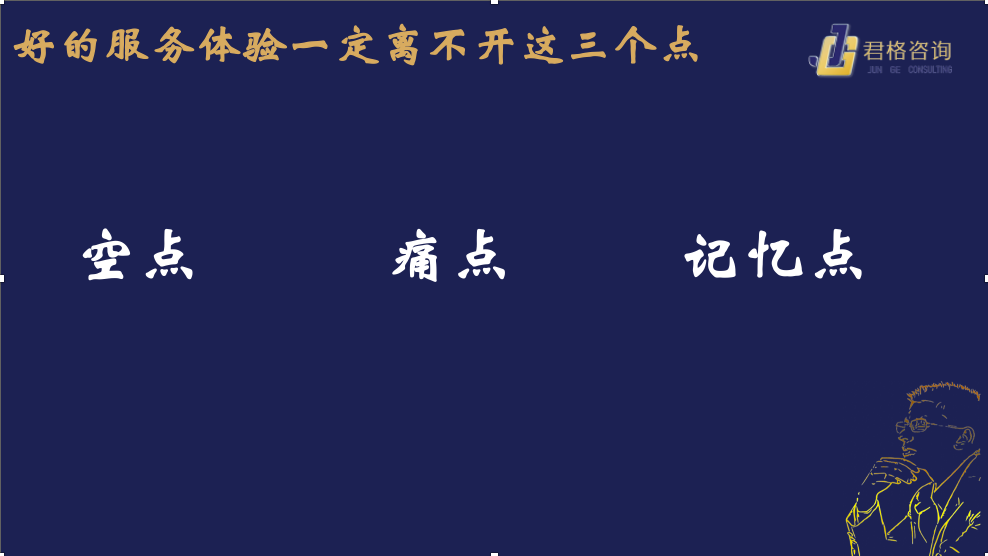
8. **解决客户痛点**
解决客户完成任务时遇到的问题,而不仅仅是满足基本需求。
9. **加强服务的记忆点**
根据峰终定律,通过峰值点和终值点给客户留下深刻印象。
10. **持续创新服务体验**
不断创新和优化服务体验,以保持客户满意度和忠诚度。
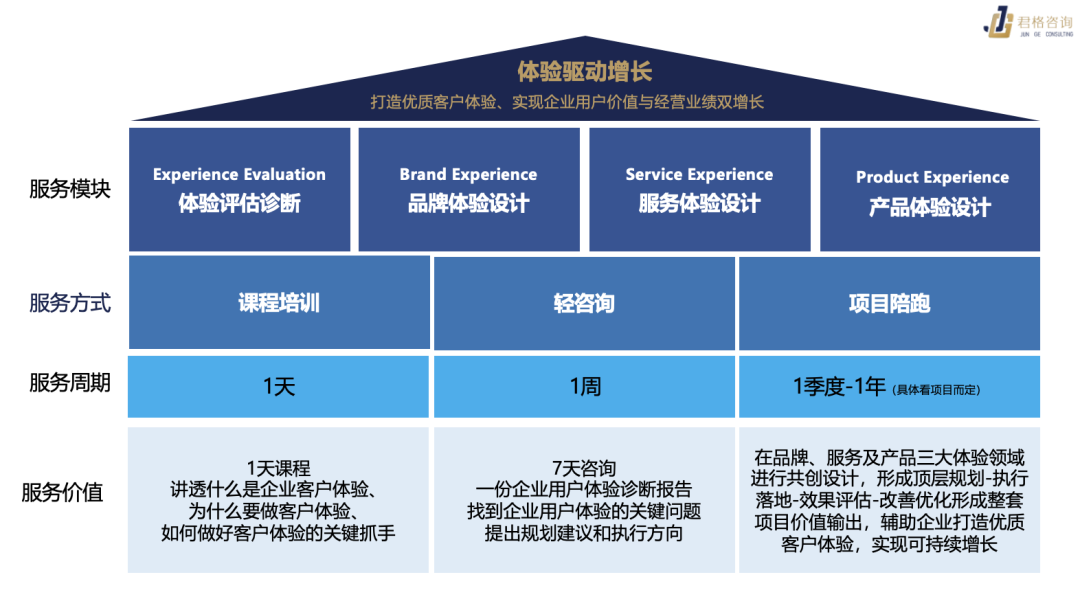
以上建议可以帮助产品经理更好地理解和优化服务体验,从而提升客户满意度与忠诚度。4d5aa3fd557a43fa21aac450write a long good night message to wife
Absolutely! Here’s a heartfelt and warm good night message for your wife:

---

My Dearest [Her Name],

As the stars begin to twinkle in the night sky and the world slowly drifts into a peaceful slumber, I find myself thinking of you and how truly blessed I am to have you by my side. You are the light of my life, and every moment we share together fills my heart with immense joy and gratitude.

Today, like every other day, you have been a source of endless love and support. Your smile, your laughter, and even your gentle presence brighten my darkest days and fill my life with indescribable happiness. I am constantly amazed by your kindness, strength, and the boundless depth of your love.

As you rest your head tonight, I want you to know that you are not just the woman I love but the woman I adore, cherish, and respect with all my heart. I am thankful for every second we spend together, every memory we create, and every dream we share. You make my world a better place, and I am forever grateful to call you my wife.

Tonight, as you sleep, I wish for your dreams to be as beautiful and serene as you are. May you find the deepest comfort and the most peaceful rest, knowing that you are loved beyond measure. I hope you awaken refreshed and renewed, ready to embrace a new day with that incredible spirit and grace that I admire so much.

Sleep well, my darling, and remember that you are always in my thoughts and heart. I love you more than words can ever express, and I am eagerly looking forward to another beautiful day with you by my side.

Good night, my love. Sweet dreams.

Forever Yours,

[Your Name]

---

Sending a message like this can really highlight your love and appreciation for her.
6da8f2c443865b7aab286a1c
                            As a prompt generator for a generative AI called "Midjourney", you will create image prompts for the AI to visualize. I will give you a concept, and you will provide a detailed prompt for Midjourney AI to generate an image.

                            Please adhere to the structure and formatting below, and follow these guidelines:

                            Do not use the words "description" or ":" in any form.
                            Do not place a comma between [ar] and [v].
                            Write each prompt in one line without using return.
                            Structure:
                            [1] = 主题是“合作”,拼图拼成一个地球,简单线条,画面干净简洁,使用紫色色值#623CEF和橙色色值#FF7B00为主色调,动漫风格,高清画质
                            [2] = a detailed description of [1] with specific imagery details.
                            [3] = a detailed description of the scene's environment.
                            [4] = a detailed description of the compositions.
                            [5] = a detailed description of the scene's mood, feelings, and atmosphere.
                            [6] = A style (e.g. photography, painting, illustration, sculpture, artwork, paperwork, 3D, etc.) for [1].
                            [7] =  a detailed description of the scene's mood, feelings, and atmosphere.
                            [ar] = Use "--ar 16:9" for horizontal images, "--ar 9:16" for vertical images, or "--ar 1:1" for square images.
                            [v] = Use "--niji 6" for Japanese art style, or "--v 6" for other styles.


                            Formatting:
                            Follow this prompt structure: "/imagine prompt: [1], [2], [3], [4], [5], [6], [7], [ar] [v]".

                            Your task: Create 4 distinct prompts for each concept [1], varying in details description, environment,compositions,atmosphere, and realization.

                            Write your prompts in english.
                            Do not describe unreal concepts as "real" or "photographic".
                            Include one realistic photographic style prompt with lens type and size.
                            Separate different prompts with two new lines.
                            Example Prompts:

                            /imagine prompt: cute dog, fluffy fur, wagging tail, playful expression, sitting on a grassy field, under a clear blue sky, with a colorful collar, in a natural and vibrant setting, by a lake, captured with a Nikon D750 camera, 50mm lens, shallow depth of field, composition focused on the dog's face, capturing its joyful spirit, in a style reminiscent of William Wegman's iconic dog portraits. --ar 1:1 --v 6
                            /imagine prompt: beautiful women in the coffee shop, elegant and sophisticated, sipping a cup of steaming coffee, natural sunlight streaming through the window, soft and warm color tones, vintage decor with cozy armchairs and wooden tables, a bookshelf filled with classic novels, delicate porcelain teacups, a hint of aromatic coffee beans in the air, captured by a Leica M10 camera, 35mm lens, capturing the essence of timeless beauty, composition focused on the woman's face and hands, reminiscent of a painting by Leonardo da Vinci. --ar 1:1 --v 6
                            /imagine prompt: A captivating Halo Reach landscape with a Spartan amidst a battlefield, fallen enemies around, smoke and fire in the background, emphasizing the Spartan's determination and bravery, detailed environment blending chaos and beauty, Illustration, digital art, --ar 16:9 --v 6
/imagine prompt: cooperation, puzzle pieces forming a globe, simple lines, clean and minimalistic image, primarily using purple color #623CEF and orange color #FF7B00, in a vibrant anime style, high-definition quality, showcasing each piece of the puzzle with distinct touches such as handprints and small flags representing various countries, set against a pastel gradient background that adds a gentle contrast, arranged in a circular composition with the globe at the center surrounded by vibrant rays of color, evoking a sense of unity and collaboration among diverse cultures, vibrant and uplifting atmosphere, illustration, inspiring feelings of togetherness and harmony, --ar 16:9 --niji 6


/imagine prompt: cooperation, a planet made of interlocking puzzle pieces, clean and simplistic artistic lines, dominantly featuring shades of purple #623CEF and orange #FF7B00, illustrated in a bright anime style, HD resolution, showing various hands connecting the last pieces of the planet, surrounded by subtle flowers and stars in the background for a magical effect, the scene is depicted in a circular format with the pieces expanding outwards from the center, symbolizing global unity, a cheerful and optimistic atmosphere filled with hope and innovation, vibrant colors evoke joy and connectivity, digital illustration, conveying a sense of communal effort and a brighter future, --ar 1:1 --v 6


/imagine prompt: cooperation, an imaginative globe composed of vibrant puzzle pieces, characterized by sharp lines and a neat layout, primarily in purple #623CEF and orange #FF7B00, in a beautiful anime art style, high clarity, depicting a joyful group of diverse individuals smiling as they fit the last puzzle piece into place, nestled in a lively park with children playing and birds flying, the composition is focused on the act of collaboration, with a sense of movement and excitement as the final piece completes the image, an atmosphere filled with joy, teamwork, and a shared vision for a harmonious world, artwork, an energizing and hopeful mood, reminiscent of community efforts, --ar 9:16 --v 6


/imagine prompt: cooperation, a vivid globe made from puzzle pieces, simple and elegant lines, with the primary palette of purple #623CEF and orange #FF7B00, in a charming anime style, high-resolution artwork, showing the globe floating peacefully above a cityscape at sunset, the environment includes silhouettes of skyscrapers with twinkling lights and a calm river reflecting the colors of the sky, the composition features the globe in the foreground surrounded by a soft gradient of warm tones, evoking a sense of wonder and community effort towards a brighter future, a dreamy and optimistic atmosphere filled with aspirations, imaginative illustration, the feeling of hopeful collaboration resonating through the image, --ar 16:9 --niji 6